Everything you need to know about safe, compliant and responsible transport of ADR class 1 dangerous goods and explosives within the EU
ADR Class 1 goods include substances and articles with explosive properties — from industrial explosives to ammunition and fireworks. The transport of ADR Class 1 goods in Europe is one of the most strictly regulated and high-risk sectors in logistics. It requires full legal compliance, certified personnel and equipment, and special permits for each route segment.
🧾 Legal framework
The ADR (European Agreement concerning the International Carriage of Dangerous Goods by Road) defines Class 1 as the highest risk category and requires:
- Specially marked and protected vehicles
- Drivers certified for ADR Class 1 transport
- Mandatory declarations, CMR waybill, and customs documentation
- Compliance with designated routes and time restrictions
🚛 Transport requirements
Transport may only be carried out using:
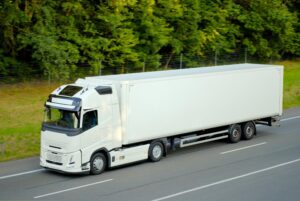
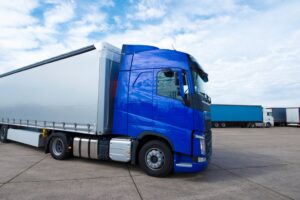
- Certified trucks and trailers equipped with sensors, fire alarms, and tamper-proof sealing
- GPS systems with real-time tracking and alert functions
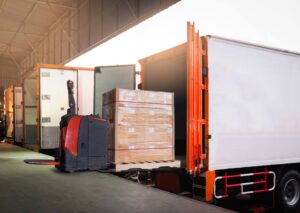
- Specially trained personnel, including both the driver and the loading operator
🛣️ Route restrictions
- Access prohibited to tunnels, bridges, and populated areas without additional authorization
- Police escort or restricted movement windows may be required
- Use of approved checkpoints and specific countries authorized for Class 1 transport
🧷 Safety and documentation
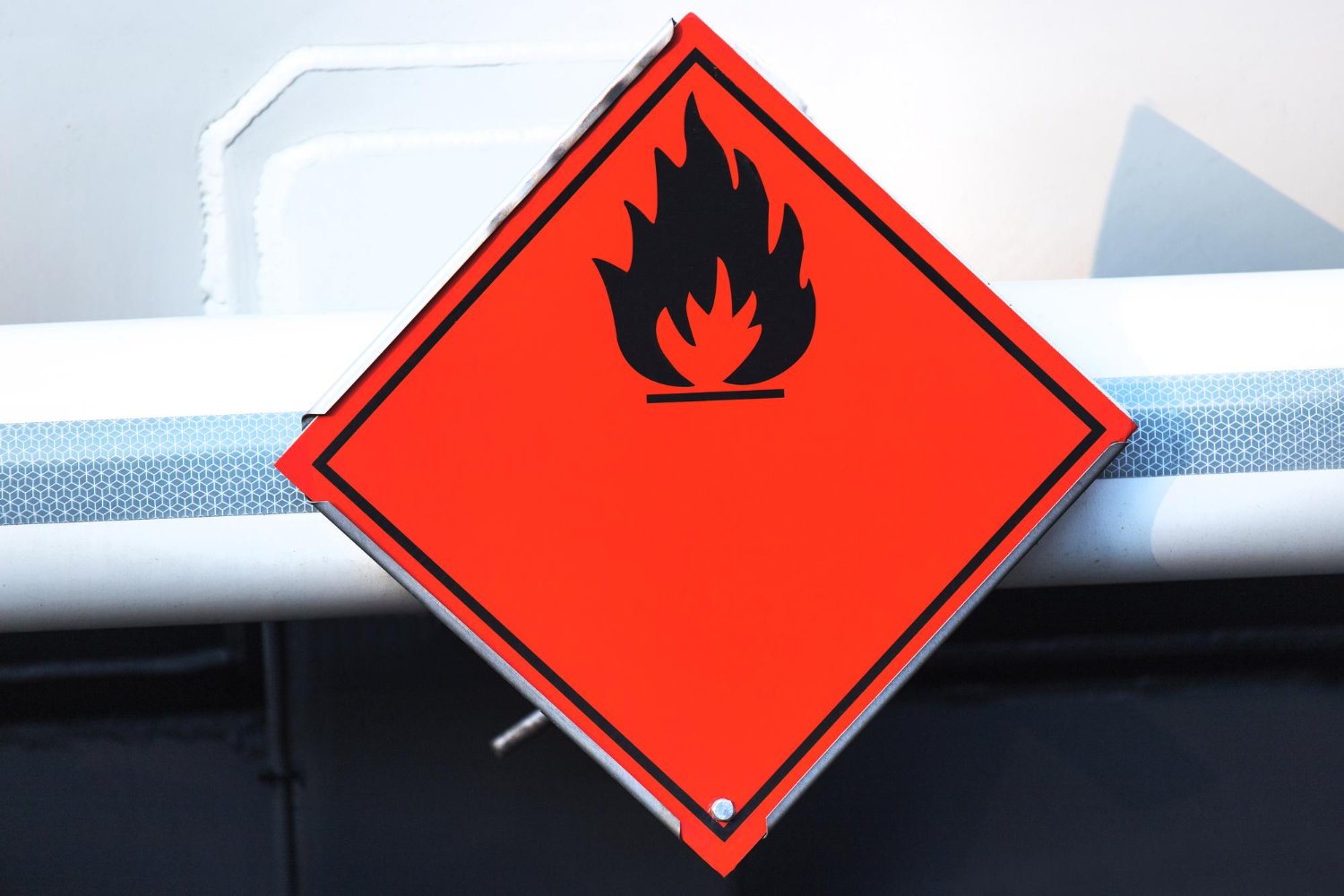
- Marking in accordance with UN and ADR standards
- UN identification numbers, subclasses (1.1 to 1.6), and hazard type
- Loading list, declaration, EUC (if applicable), CMR, and additional insurance
📊 Key requirements for ADR class 1 transport
| Requirement | Details |
|---|---|
| Vehicles | ADR-certified, fire-resistant, equipped with GPS |
| Drivers and personnel | Special ADR Class 1 training and license |
| Documentation | UN number, ADR declaration, loading list, CMR, customs papers |
| Permits and routes | Approved routes and checkpoints; tunnels only with authorization |
| Safety and control | Alarm systems, hazard markings, full technical compliance |
The process of transport of ADR Class 1 dangerous goods in Europe demands uncompromising responsibility, documented traceability, and strict legal compliance. This category of cargo allows no margin for error — safety, control, and professionalism are essential in every logistics operation involving Class 1 materials.
❓ Frequently asked questions (FAQ)
No. Special licenses, certified equipment, and ADR training are mandatory.
ADR Class 1 is divided into six subclasses — from 1.1 (mass explosion) to 1.6 (extremely low risk).
Only with additional authorization and often with a police escort or time restrictions.
The shipper is responsible for accurate documentation, labeling, and packaging of the goods.
Through GPS monitoring, control checkpoints, and 24/7 dispatch supervision.