Refrigerated Trailer vs Box Trailer vs Tarpaulin: Which Does Your Cargo Actually Need
Three trailer types cover most European road freight: refrigerated, box, and tarpaulin, sometimes called curtainsider. Picking the wrong one doesn’t just waste money. It can mean cargo that fails to survive the trip, or paying for temperature control a shipment never needed. This guide sets out what separates the three, when each is the right call, and where the decision genuinely isn’t close.
The three trailer families
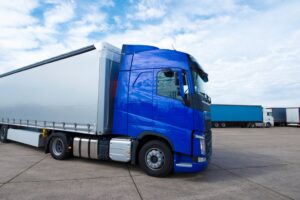
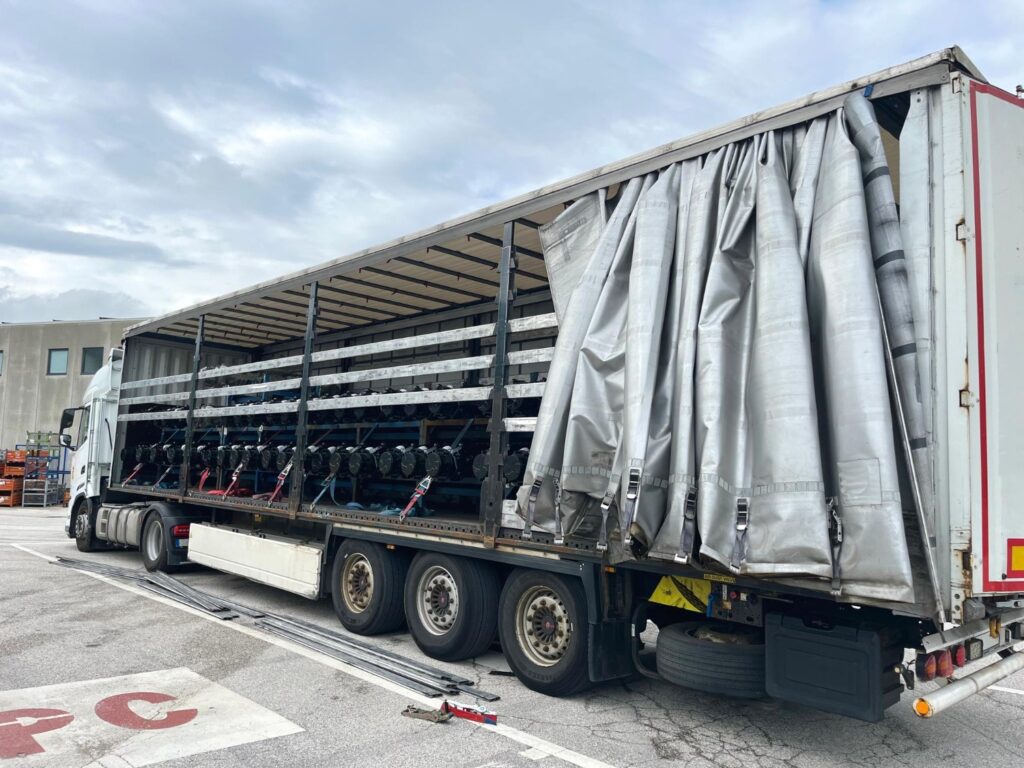
Tarpaulin (curtainsider). A framed trailer with fabric sides that slide open, allowing loading from either flank or the rear. No insulation, no temperature control. Built for speed of loading and flexibility with general cargo.
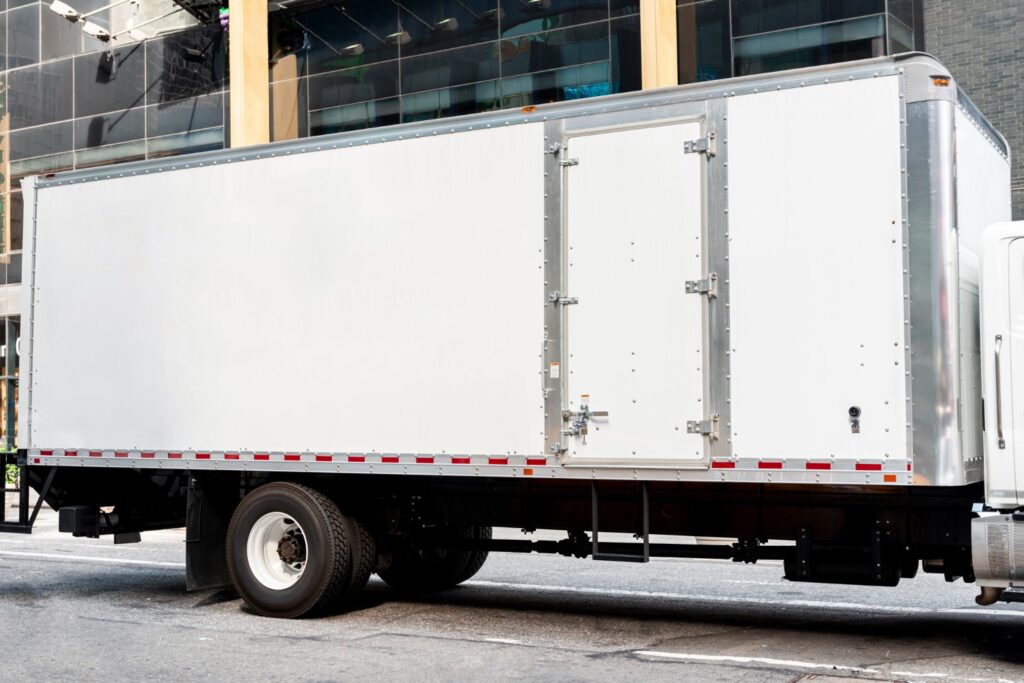
Box trailer. Rigid, enclosed sides, typically loaded only from the rear. Better weather and security protection than a tarpaulin, but still no active temperature control unless specifically insulated.
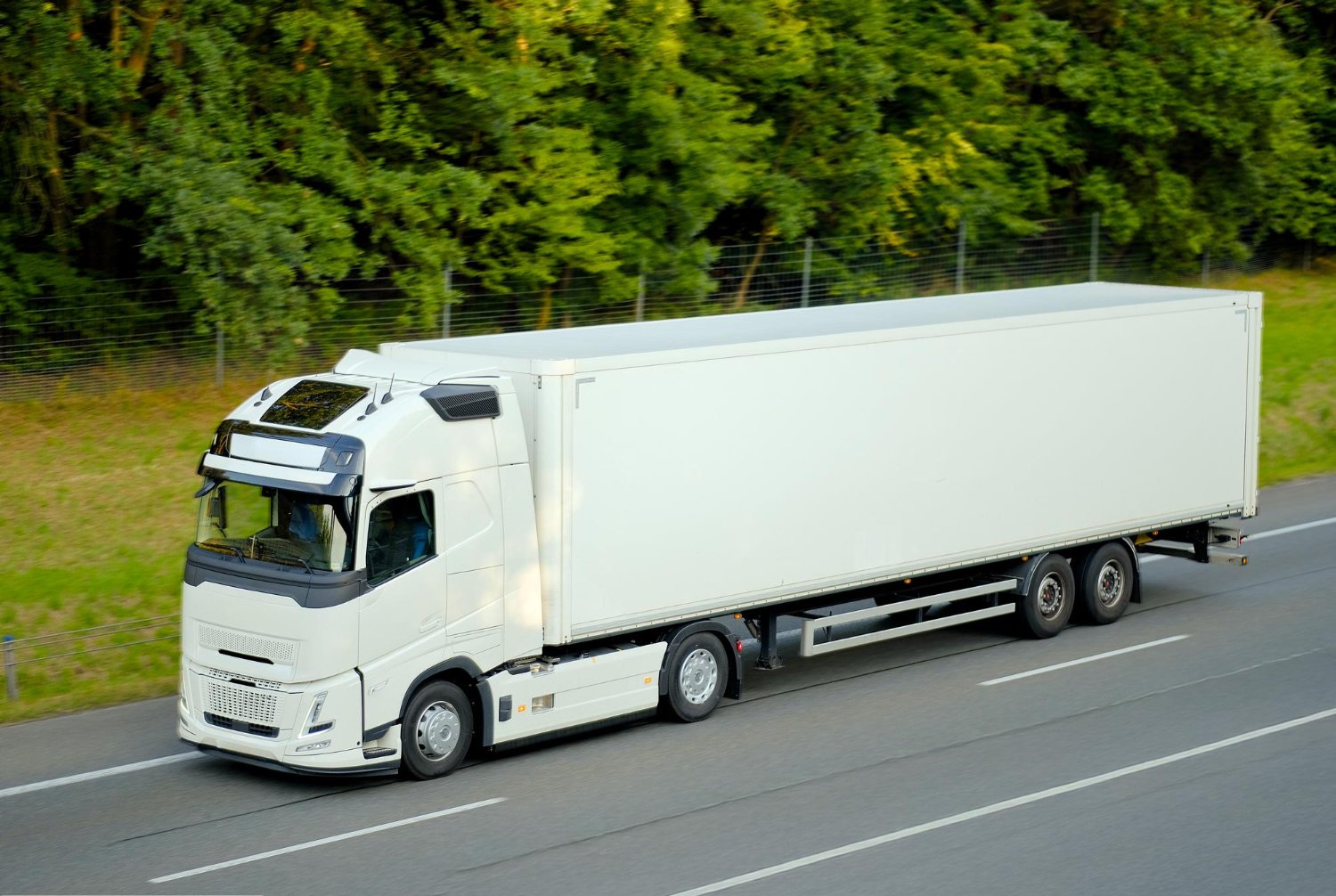
Refrigerated trailer (reefer). An insulated box with an active refrigeration unit mounted at the front, capable of holding a set temperature regardless of the outside climate. This is the only one of the three legally certified under ATP for chilled or frozen cargo, covered in our ATP certificate guide.
A fourth option exists between tarpaulin and reefer: an insulated curtainsider, sometimes called an insuliner, which adds insulation and sometimes a refrigeration unit to the flexibility of side-loading. It’s a compromise, useful in specific cases, rather than a default choice.
When a reefer is non-negotiable
If the product has a defined temperature requirement, whether from EU food hygiene regulation, GDP pharmaceutical rules, or the product’s own stability data, the answer isn’t a preference. Our temperature reference guide covers the specific ranges for meat, dairy, fish, produce and pharmaceuticals in detail. If your cargo falls into any of those categories, only a certified reefer is the legal and practical choice.
When a box trailer is enough
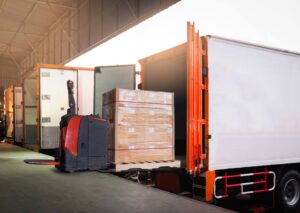
General dry goods that need weather protection and some security, but no temperature control, are well served by a box trailer. Paying for a refrigeration unit that stays switched off the entire route adds cost for no protective benefit. The trade-off against a tarpaulin is loading speed: box trailers typically load only from the rear, which slows multi-drop routes with forklift access from the side.
When a tarpaulin wins
Oversized or irregularly shaped cargo, palletized goods needing forklift access from the side rather than just the rear, and general freight moving between distribution points where speed of loading and unloading matters more than weather sealing: this is tarpaulin territory. It’s also generally the lowest-cost option of the three to operate, which matters on high-volume, low-margin routes.
Decision framework – refrigerated, box vs tarpaulin trailer
| Trailer type | Protection level | Temperature control | Loading | Relative cost | Best for |
|---|---|---|---|---|---|
| Tarpaulin | Weather resistance, minimal security | None | Side and rear, fast | Lowest | General freight, oversized or palletized cargo |
| Box | Full weather and security protection | None (unless insulated) | Rear only, typically | Moderate | Dry goods needing security, no temperature requirement |
| Insulated curtainsider | Weather and partial thermal protection | Passive or light active | Side and rear | Higher than tarpaulin | Cargo with a loose thermal tolerance and a need for side access |
| Refrigerated (reefer) | Full weather, security and thermal protection | Full, ATP-certified | Rear only, typically | Highest | Any cargo with a defined temperature requirement |
Betatech’s approach: one carrier, the right equipment
Some shippers default to booking a reefer for everything to avoid the decision. That solves nothing; it just moves the cost from a wrong choice to an unnecessary one. Beta Tech International runs tarpaulin, box, and ATP-certified refrigerated trailers, including double-deck reefer configurations, which means the equipment gets matched to what the cargo actually requires rather than to whatever happens to be available.
Not sure which trailer type your shipment needs? Contact us with the cargo details and we’ll confirm, or see our land transport and refrigerated transport services for the full range.
Frequently Asked Questions
Yes, generally. The trailer itself costs more to buy and maintain than a box or tarpaulin trailer, and that cost is reflected in the rate whether the refrigeration unit runs or not. For cargo with no temperature requirement, a box or tarpaulin trailer is the more cost-effective choice.
Physically, yes, for dry goods that don’t need the insulation or cooling. Operationally, it’s rarely cost-effective, since you’re paying reefer rates for a service you’re not using.
Insulation alone slows temperature change but doesn’t actively maintain a target; it works for short trips with a small buffer, not for cargo that must hold an exact range over hours or days. Active refrigeration maintains the set temperature regardless of trip length or outside conditions.
For general goods, yes, provided the cargo itself has no cold-sensitivity. For anything that could be damaged by freezing, such as certain liquids or produce, a tarpaulin offers no protection against low temperatures the way an insulated or refrigerated trailer does.
Start with the product’s actual requirement: does it have a defined temperature range, does it need protection from weather and theft, and does loading speed matter more than enclosure. Our temperature reference table covers the regulated ranges for common product categories, and our team can confirm the right equipment for anything outside that list.
The trailer isn’t the decision. The cargo is. Get the product’s actual requirement right first, whether that’s a temperature range, weather protection, or just speed of loading, and the trailer choice follows without much debate.