
ADR land transport in Europe and Turkey: requirements and best practices
The land transport of ADR goods in Europe and Turkey requires strict compliance with regulations, proper preparation, and certified equipment.
This type of transport is vital for industries dealing with explosive, toxic, or flammable substances.
Coordination between shippers, drivers, and logistics operators is essential to ensure safety and on-time delivery.
Requirements and documentation for ADR transport in Europe
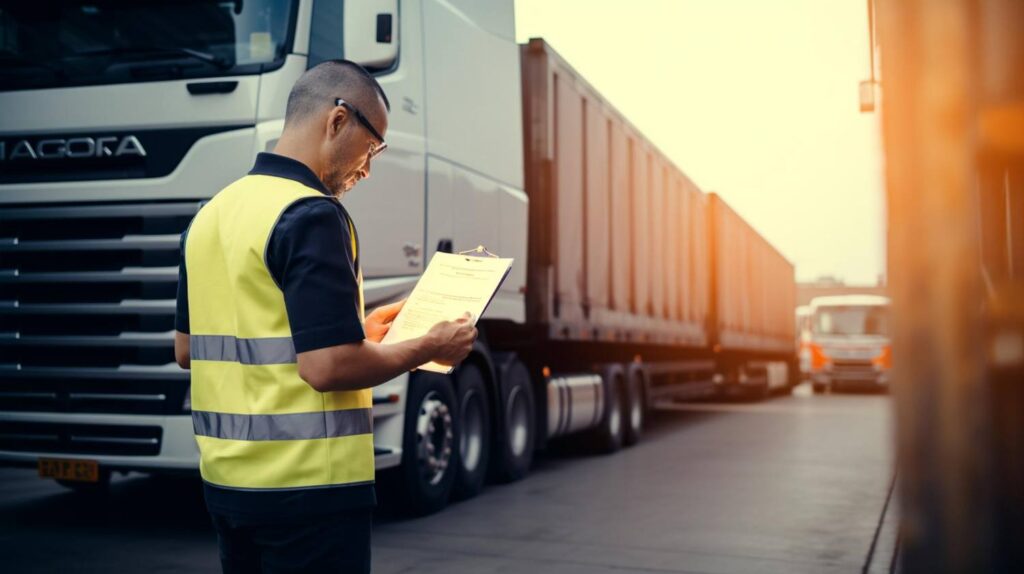
Proper preparation is a key component of the process. Every party involved in ADR road transport in Europe and Turkey must have:
- Valid ADR documentation and corresponding UN numbers
- Personnel with valid ADR driver certification
- Packaging and labeling compliant with the class and type of substance
- CMR waybill
- Dangerous goods insurance, including CMR and additional ADR coverage
- GPS tracking system with geofencing and deviation alerts
Transport routes and logistics
The route from Europe to Turkey passes through strategic corridors — Serbia, Romania, or Greece, depending on the origin. For ADR land transport between Europe and Turkey, it is mandatory to:
- Use authorized border crossings for ADR shipments
- Obtain transit permits for all countries along the route
- Ensure that all vehicles meet technical and safety requirements, including for Class 1 hazardous materials
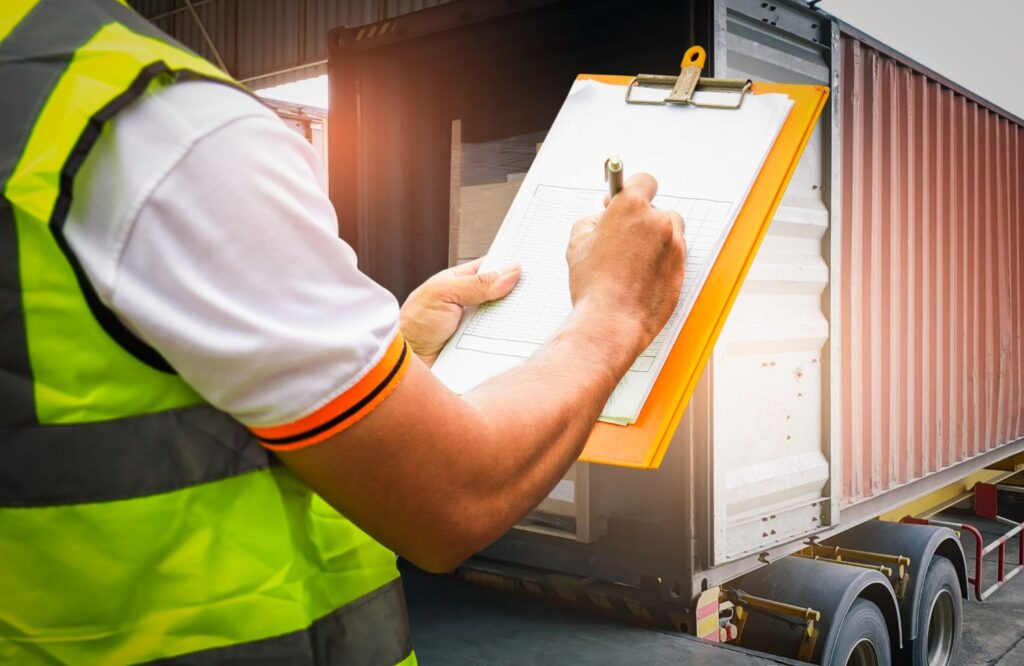
Safety and control in ADR transport between Europe and Turkey
Safety — both physical and operational — is the top priority. This includes:
- Emergency response plans (for spills, fires, or explosions)
- Cargo inspection before departure
- Real-time monitoring of temperature, vibration, and movement
- A central dispatch center overseeing each stage of the route
Responsibilities in the supply chain
| Role | Responsibilities in ADR Road Transport (Europe–Turkey) |
| Shipper | Prepares documentation, packaging, and labeling |
| Logistics Company | Plans route, vehicle selection, permits, and GPS monitoring |
| Driver | Complies with ADR regulations, emergency procedures, and cargo control |
| Consignee | Receives and inspects the goods, reports any incidents |
Advantages
This type of transport offers:
- Optimization of the logistics process
- High level of safety and reliability
- Compliance with EU and Turkish legislation
- Flexibility in route planning
❓ Frequently Asked Questions (FAQ)
Yes. It is mandatory for all drivers transporting ADR goods — especially Class 1 (explosives).
You need an ADR document, CMR waybill, transit permits, and UN hazard labels.
Through GPS tracking, emergency instructions, trained personnel, and secured routes.
Penalties may include fines, temporary suspension of licenses, or a ban on transport operations.
Yes — provided the appropriate infrastructure and partner coordination are in place.