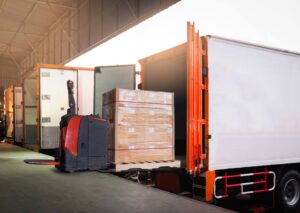

Definition, characteristics and nature of the hazards related to ADR Class 1
ADR — the European Agreement concerning the International Carriage of Dangerous Goods by Road — classifies dangerous goods into nine classes based on the type of risk involved.
Under ADR, Class 1 is designated for explosive substances and articles — meaning materials or objects that may cause an explosion, fire, fragmentation, or severe detonation when initiated.
⚠️ What ADR Class 1 includes
- Explosive substances — chemical substances or mixtures that, when activated (by shock, heat, impact, friction, spark, etc.), produce an explosive reaction such as detonation, gas release, pressure and heat.
- Articles with explosive properties — ammunition, cartridges, detonators, pyrotechnic products, fireworks, and any items containing explosive substances or mixtures.
This means that ADR Class 1 does not apply only to raw explosives — finished products containing explosive components (e.g. ammunition or fireworks) are also included in this category.
📑 Subclasses and hazard levels
ADR Class 1 is divided into six subclasses (divisions) according to the potential hazard during transport and detonation:
| Subclass / Division | Nature of the hazard |
|---|---|
| 1.1 | Mass explosion hazard — multiple explosive units may detonate simultaneously |
| 1.2 | Projection hazard — no mass explosion, but fragments and high-energy particles are released |
| 1.3 | Fire hazard with minor blast or projection — combination of fire and limited explosion risk |
| 1.4 | Low hazard — moderate fire risk, generally no significant explosion or fragmentation |
| 1.5 | Very insensitive explosive substances — relatively safe under normal conditions but still regulated |
| 1.6 | Extremely insensitive articles — minimal reaction risk, only under extreme conditions |

📌 Why class 1 is the highest-risk category
- Explosions and fires involving Class 1 goods can cause severe destruction, including loss of life, infrastructure damage and environmental harm.
- Even a minor error in packaging, loading or transport may trigger a chain detonation.
- Protective measures, control procedures, specialised equipment and documentation are strictly regulated — covering vehicles, marking, packaging and permits.
📦 Scope of use
ADR Class 1 applies to a wide range of explosive goods, including:
industrial explosives, military ammunition, pyrotechnic products, propellants, hunting and sporting ammunition, fireworks, construction blasting materials, and similar items.
🔎 FAQ (Frequently asked questions)
Explosive substances or articles are those which, when initiated by impact, heat, friction or spark, may cause a sudden explosion, fire, gas release, pressure, fragmentation or a combination of these hazards.
No. Class 1 also includes articles containing explosive components, such as ammunition and fireworks.
Because improper handling or transport presents a very high risk of major incidents — explosions, fires, fragmentation and serious environmental and human damage.
By the type and intensity of the hazard — mass explosion, projection, fire, or sensitivity. The subclass is specified during classification and labelling.
No. Specialised vehicles, packaging, marking, training and documentation are mandatory.
ADR Class 1 — explosive substances and articles — is the most strictly regulated category of dangerous goods.
It includes both raw explosives and finished products such as ammunition, fireworks and pyrotechnics.
Due to the high risk of explosions, fires and large-scale damage, every stage of transport, storage and handling requires maximum discipline, regulatory compliance and specialised safety measures.
Correct classification, marking, documentation and preparation are essential elements of responsible transport.